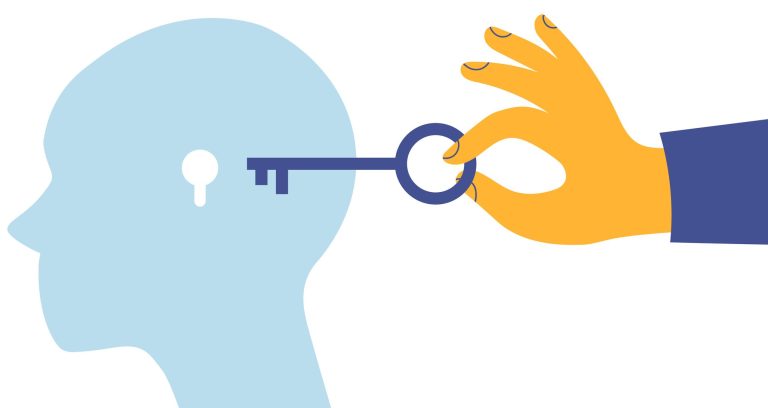
What is Ketamine?

Ketamine is an anesthetic known for its safety and effectiveness. Over the last 25 years, research has consistently demonstrated that lower, non-anesthetic doses of ketamine markedly improve depression, often in a single treatment session.

When used for the treatment of depression, ketamine is usually administered in an outpatient (clinic) setting and can be given intravenously (through an IV), intramuscularly (via needle injection), orally (by mouth), or intranasally (inhalation through the nose via inhaler). In order to produce sustained effects, it is usually administered two to three times per week for several weeks (induction), followed by less frequent treatments that help maintain the benefits (maintenance). 

Ketamine FAQ

Ketamine Clinic in Los Angeles

Research consistently supports the use of ketamine for the treatment of depressive symptoms. To date, there have been thousands of patients treated with ketamine for depression in published clinical trials. These studies have established that ketamine is safe and effective for the treatment of depression, with approximately 40-80% of people experiencing a reduction of of 50% of more in their symptoms. Many people experience a complete resolution (remission) of their symptoms. In addition, ketamine can significantly reduce suicidal thoughts in a single treatment session.

Ketamine has been used for decades as an anesthetic primarily because of its safety and effectiveness. Research has consistently demonstrated that the use of ketamine in lower, non-anesthetic doses is not only safe, but markedly improves depression, within a single treatment session.

Recent highly-publicized news stories and the unsupervised, recreational use and abuse of ketamine have created a false narrative, and a misconception that ketamine medical services are dangerous. This is an inaccurate depiction, as many outcome studies support the safety and clinical efficacy of ketamine. When properly prescribed and supervised by a physician, it is among the safest and fastest-acting medical treatments for major depressive disorders.

In the doses used for the treatment of depression, ketamine may cause temporary dissociation (feeling like things are not real, or that you are not in your body), sedation, impaired coordination and balance, nausea, and dizziness or vertigo. It may also cause a headache, increased heart rate, and increased blood pressure for a short time after each dose. All of these side effects usually resolve within an hour, if they happen at all. Ketamine is a potentially addictive substance and can (rarely) lead to craving, abuse, or dependence.

The effects of ketamine usually begin within 3-10 minutes of administration (depending on the route). The first thing most patients notice is tingling in the lips and extremities (fingers, toes). They may then start to feel separated from their thoughts, body, or themselves (dissociation). Some patients feel like they are floating, like their body is larger, smaller, or a different shape. People sometimes feel completely disconnected from their body and more focused on their mind or other senses such as hearing or sight. The adjective many patients use is “dreamlike.” We will monitor you throughout your treatment to ensure your safety and comfort.

Ground-breaking Mental health treatment


Clinical trials have established that ketamine is safe and effective for the treatment of depression, with approximately 40-80% of patients reporting their symptoms were reduced by 50% or more. Many people experience a complete resolution (remission) of their symptoms.  

  • Our Team

    Very helpful. Employees are very nice.
    William P.

We provide a safe, comfortable,
and medically supervised environment during treatment.